 Support Ukraine









The ‘Chronicles of Liubart’ website: a local media outlet in Lutsk featuring profiles of individuals and a digital archive of the newspaper
The History of Lutsk and Volhynia Online

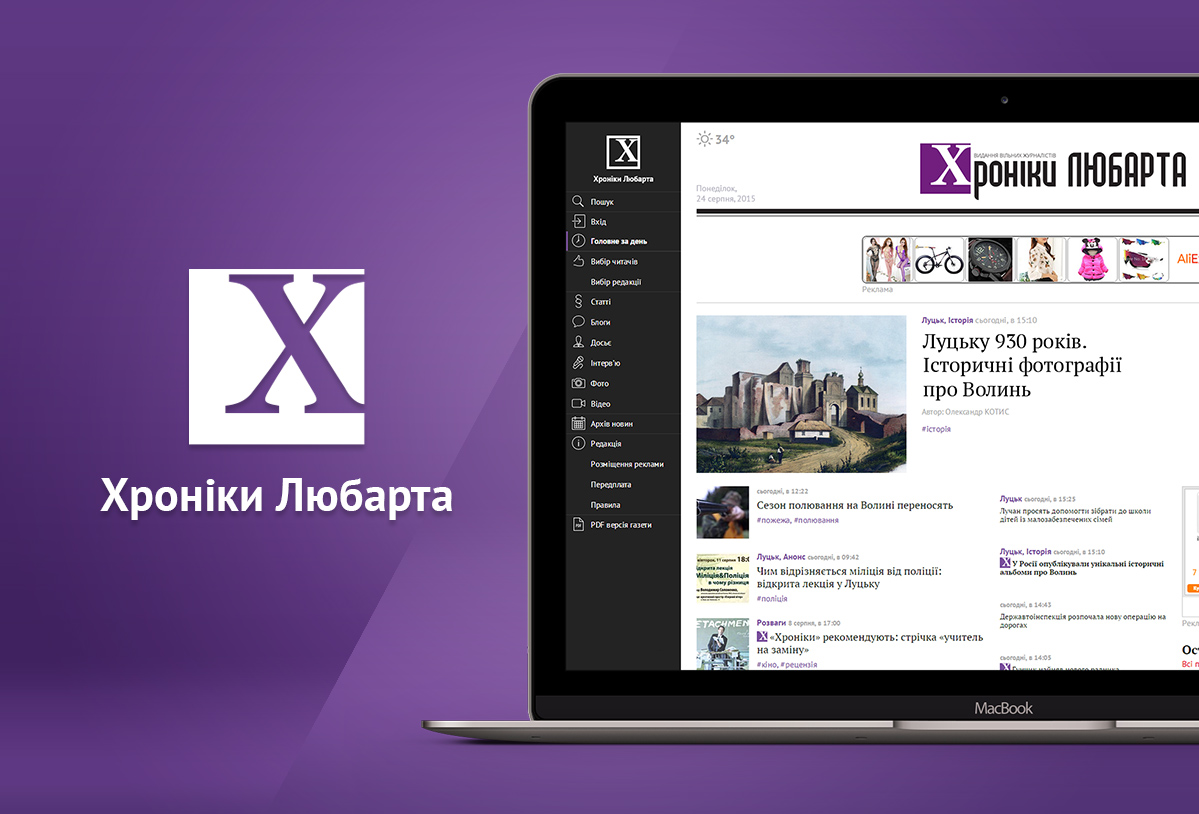
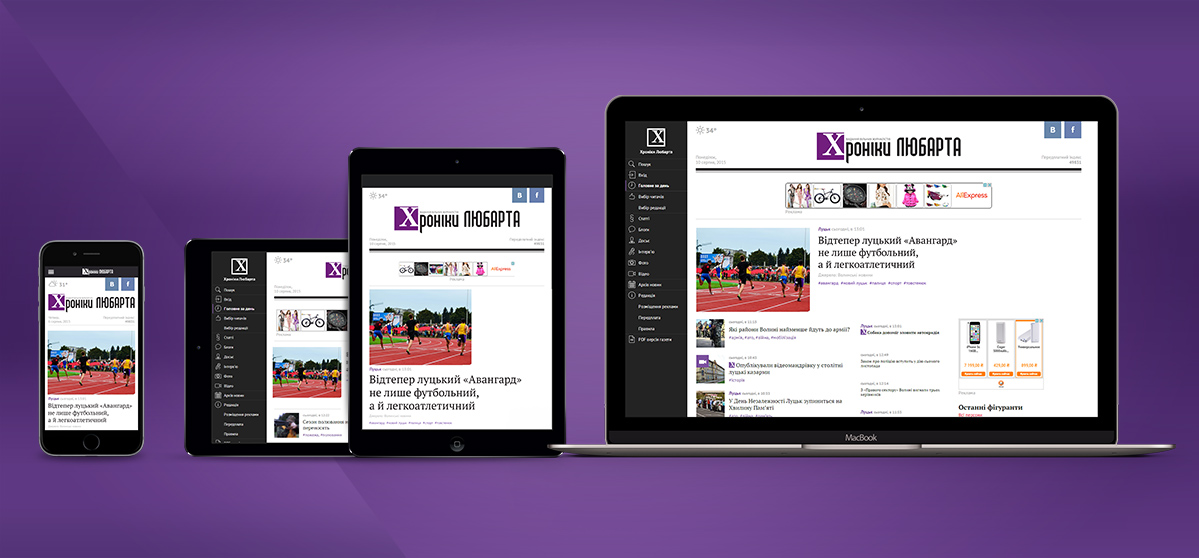
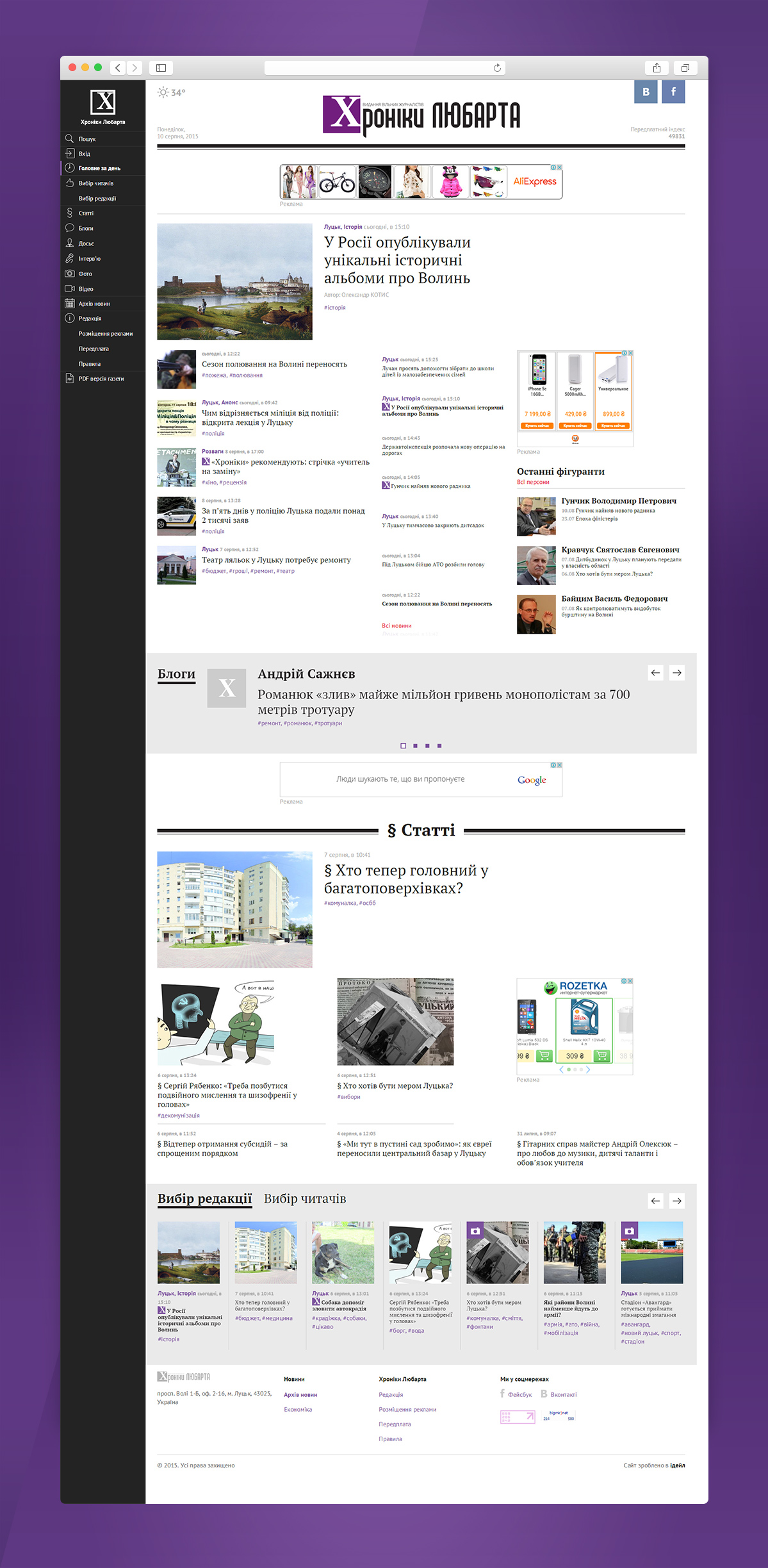
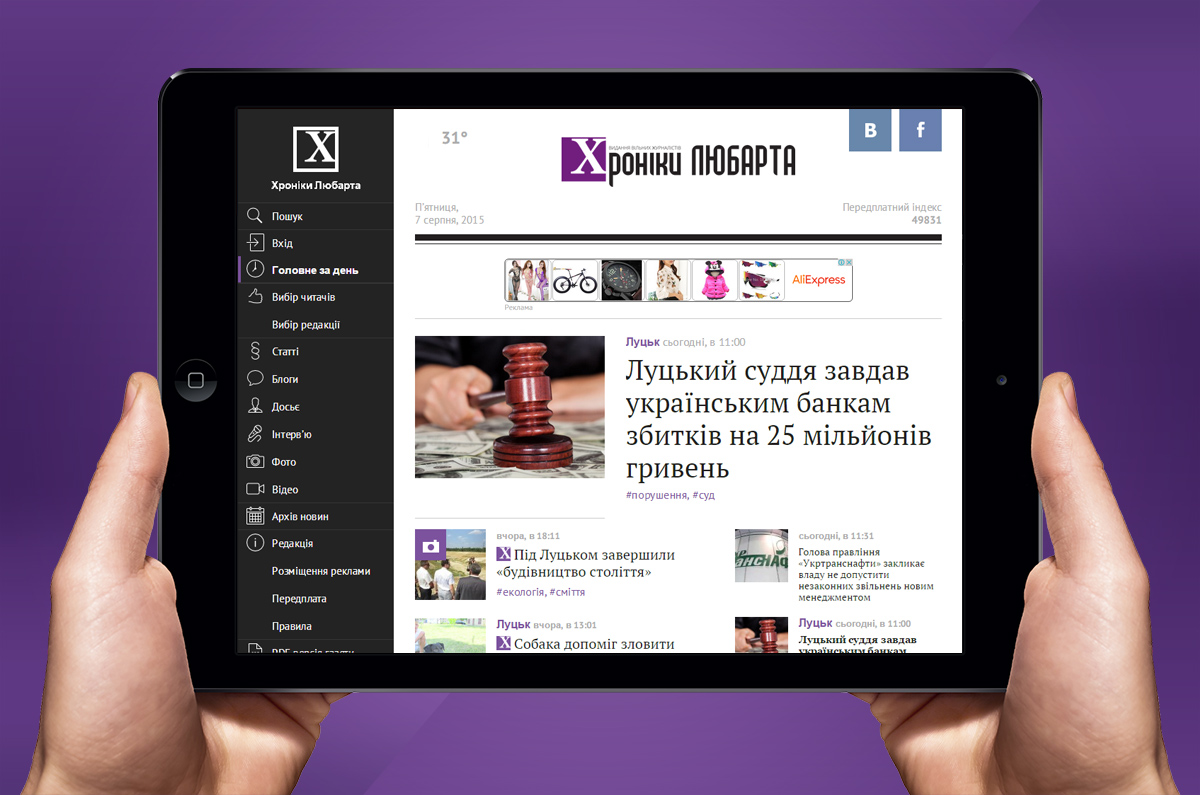
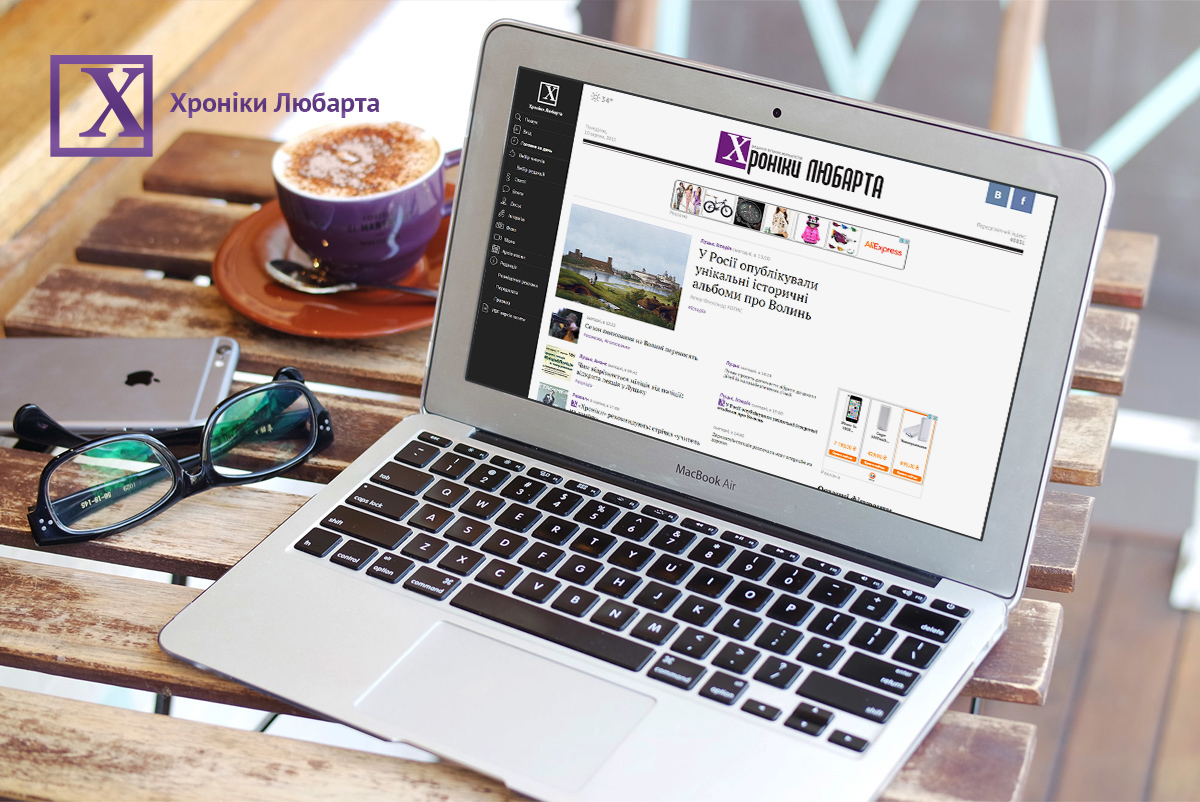
‘The Chronicles of Liubart’ is a media outlet covering the history of Lutsk and Volhynia, which grew out of a print newspaper. We built an online platform for the editorial team, which has been operational since 2015: news and articles, profiles of individuals with links between publications, readers’ blogs, a custom search function and a digital archive of print editions.
Client: ‘The Chronicles of Lubart’ · Sector: local media · Year: 2015 · Services: news website development, bespoke development · Live website: hroniky.com
Client’s request: to move the newspaper online without losing the archive
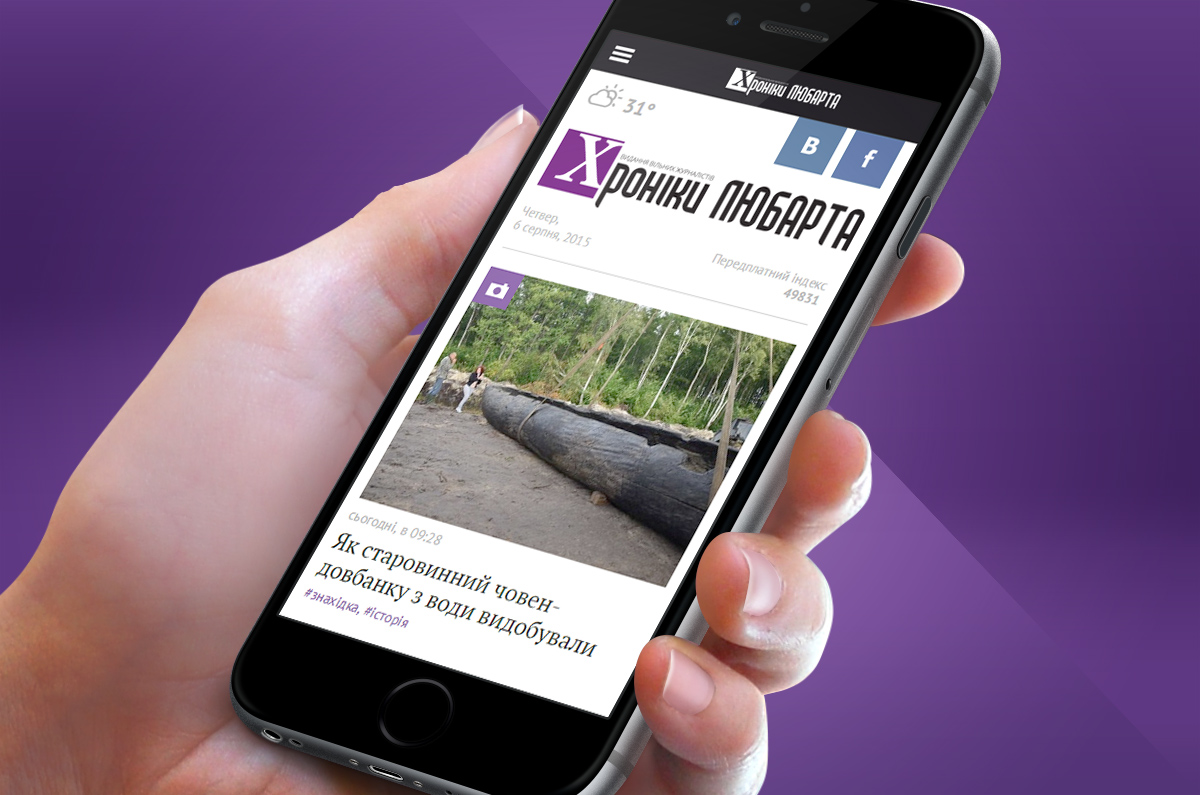
For years, the editorial team at ‘The Chronicles of Lubart’ had been producing a print publication about the history and life of Lutsk. The request wasn’t simply ‘build us a website’, but something more profound: to move the publication online in such a way that the editorial team could publish content daily without the need for a developer, readers could enjoy a comfortable reading experience on any screen, and that years of printed issues would not be left gathering dust on a shelf — but would become part of a living website.
An editorial platform, not just a news feed
We designed the website as a content platform featuring various types of material: news, opinion pieces, blogs, photos and videos. The editorial team organises content into sections, tags and special features — separate thematic pages are created around major events and stories. For a publication about the city’s history, this is fundamental: content here does not ‘disappear’ within a day, as it does in feed-based media, but remains relevant for years within curated collections and connections.
Dossiers: people and links between publications
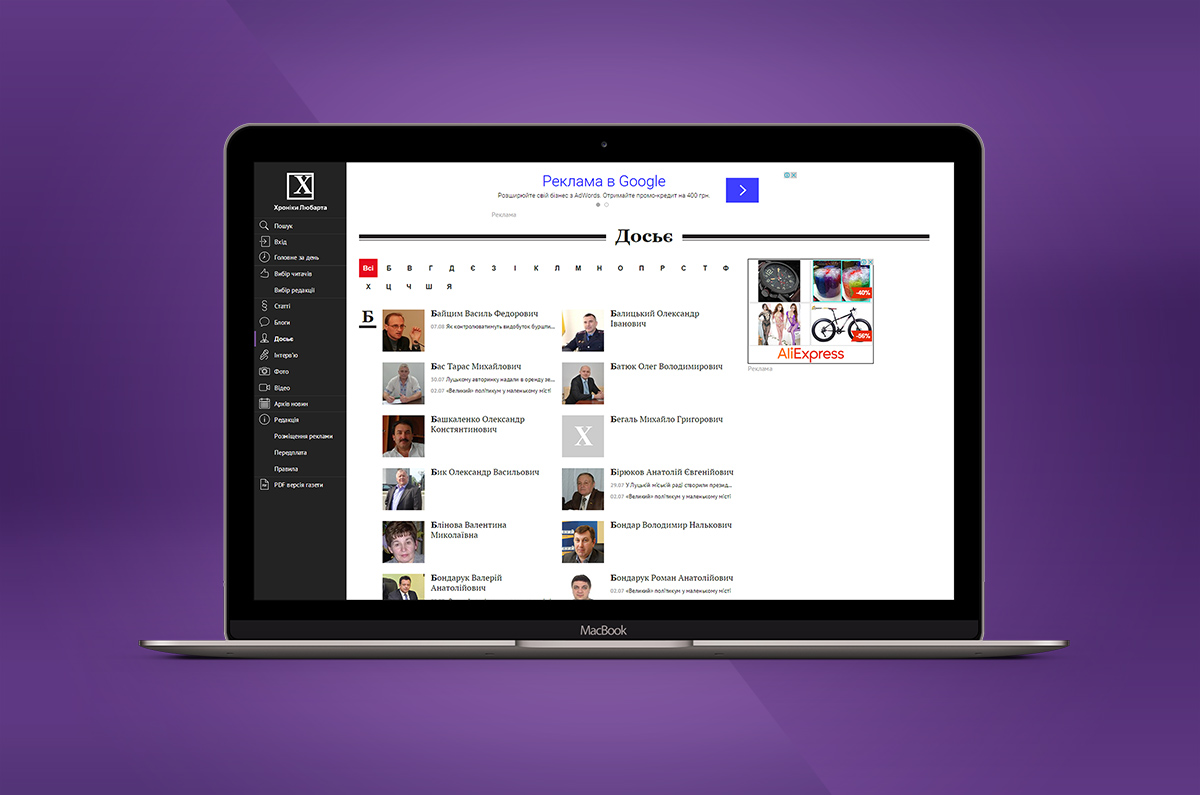
The platform’s most distinctive feature is the ‘Dossier’ section. The editorial team tags people mentioned in news items and articles, and each person is given their own profile page with all related content. Readers can navigate from a news item to a dossier and see how the story has unfolded over the years; the editorial team benefits from internal linking that keeps readers on the site without any extra effort.
In effect, this is structured data within the media organisation: content is linked not by arbitrary ‘tags’, but by entities — people, places and events. We have since developed this approach in other media projects as well.
Custom search and news archive
A standard search by headlines is insufficient for a publication of this kind. We developed our own search engine that searches simultaneously through news items, articles and structured data about people — readers can find material by surname, event or address, even if they cannot remember the exact headline. A separate archive provides access to publications by date — this is vital for a publication whose value accumulates over the years.
Digital archive of the print newspaper
The part of the request that started it all: printed issues of the newspaper have been digitised and are available on the website as PDFs. Articles can be linked to the relevant issue — readers can view the article alongside the original page where it appeared. The publication’s legacy has not been lost with the move online, but has become an integral part of it.
Reader blogs with editorial moderation
Registered users run their own blogs on the website — for a publication focusing on local history, this is a source of memories, photographs and research that no editorial office possesses. User-generated content undergoes editorial moderation: an editor checks and oversees changes prior to publication, ensuring that the editorial team retains control over content quality.
Monetisation: a banner system integrated into the page layout
To monetise the site, we have implemented a system for placing and rotating advertising banners. The formats are integrated into the page layout so that the adverts do not interfere with the reading experience — this is crucial for a niche media outlet with a loyal audience.
Result
- The platform has been operational since 2015 — the editorial team publishes content daily without the developer’s involvement
- A digital archive of the newspaper’s print editions is available online in PDF format and linked to the articles
- The ‘People’ section has transformed scattered content into a cohesive knowledge base about Lutsk and Volyn — with internal linking that encourages deeper engagement
- The custom search function covers news, articles and information about people
Frequently Asked Questions
How do you digitise a print newspaper archive?
Issues are scanned into PDF format, uploaded to the archive section of the website and linked to the articles in the online version. Readers gain access to the original pages, whilst the publication preserves its heritage in digital form. We created such an archive for ‘Chronicles of Lubart’ as part of the platform, rather than as a separate service.
Do local media outlets need a bespoke website?
Not always. If the requirements are standard — a news feed, sections, banners — a ready-made platform will suffice. Custom development is justified when there are non-standard sections and a unique approach to content management: in the case of *The Chronicles of Lubart*, these include profiles of individuals, links between articles and the newspaper’s digital archive.
How can a local publication monetise its website?
The foundation is your own banner system with rotation and direct ad sales to local businesses: these provide a margin that programmatic advertising cannot offer at small volumes. Next come special projects, branded sections and blogs. It’s important for these formats to remain within the page structure so as not to trigger ad blockers.
Are you moving a print publication online or launching a local media outlet? Take a look at our approach to developing media websites, and related case studies — the redesign of the ‘Pershyi’ news portal and the media site Varosh. Tell us about your project — we’ll get back to you with an assessment within two working days.