 Support Ukraine









Mobile apps
-

Mobile application for media Forbes Ukraine
-
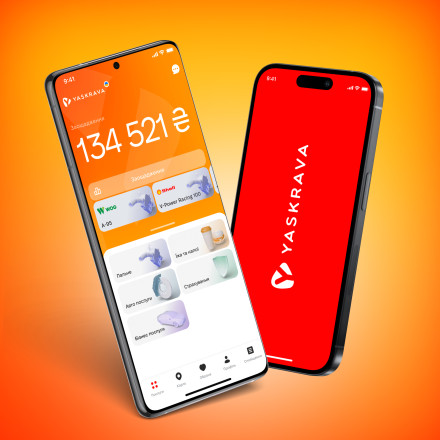
Yaskrava: an app for taxi drivers, and taxi services
-

ТСН
-
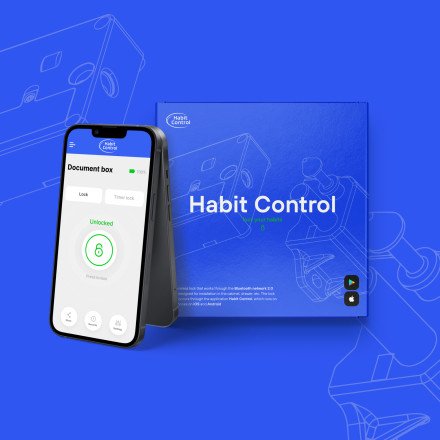 in the process of translation
Habit Сontrol
-
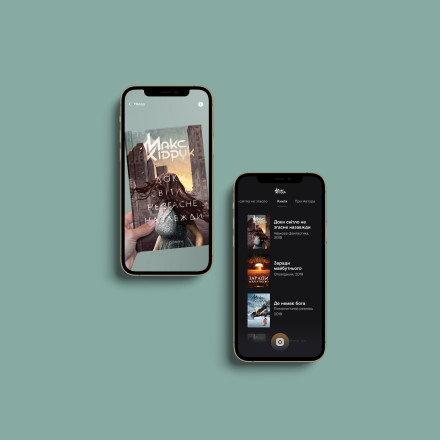
Max Kidruk
-

Grand Persona app
-

Mobile application Help & Job
-
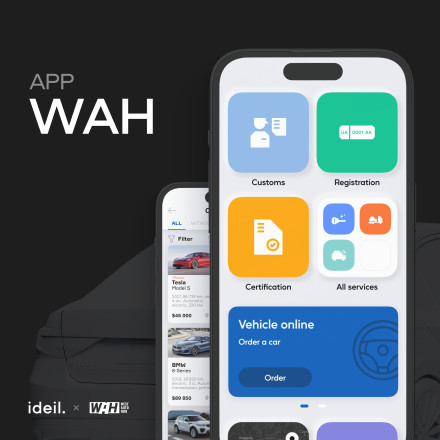
Mobile app WAH
Native or cross-platform mobile app — which to choose?
The choice between native and cross-platform (Flutter) mobile app development depends not so much on the budget as on the product itself. It is important to consider functionality, interface and performance requirements, integration with smartphone features, and plans for the app’s development after launch.
Native development for iOS and Android separately offers greater control over the platform and access to its capabilities. This approach may be justified for complex products where performance, specific interface behaviour or tight integration with device functions are critical.
Cross-platform development allows a significant portion of the codebase to be shared between iOS and Android. For many business applications, this offers the opportunity to launch the product on both platforms more quickly and simplify its ongoing maintenance.
There is no one-size-fits-all solution. The technology should be chosen once the product’s functionality, target audience and requirements for future development are clear.
How do I commission the development of a mobile app using Flutter?
For cross-platform projects, we use Flutter — a technology that allows us to create mobile apps for iOS and Android based on a shared codebase. This is particularly suitable for products that need to be launched simultaneously on both platforms and developed in sync going forward.
Flutter enables the implementation of complex custom interfaces and maintains a unified product logic across iOS and Android. However, choosing Flutter should not be an automatic decision: for projects requiring deep integration with a specific platform or involving specific technical requirements, native development may remain the better solution.
